
Shamanic Healing & Energy Work | Creative Now Therapy
Healing with the oldest technology there is: the body, the earth, and the living field.
Shamanic practices for humans who want something deeper without dogma or spiritual performance.
What is a shamanic practitioner?
I want to be clear and intentional about language here.
I do not identify as a shaman, and I’m careful with the terms we use. When this page refers to shamanic-informed work, it means drawing inspiration from earth-based, ancestral, and ritual traditions, while staying ethical, trauma-informed, and grounded in the present.
Rather than adopting titles or replicating closed cultural practices, this work focuses on direct experience instead of belief systems, relationship with the body, the natural world, and the unseen, and creating enough safety for deeper material to emerge and integrate.
This is not about spectacle or transcendence. It’s about remembering what you already know in your bones.
Most common signs you might benefit from working with a shamanic practitioner
You may already be reflective, intuitive, or spiritually curious. You’ve likely done therapy, personal growth work, journaling, or spiritual practices, and yet there’s a sense that something essential hasn’t fully landed.
You might notice:
- Old emotional pain or grief that doesn’t respond to insight alone
- A feeling of fragmentation, heaviness, or disconnection in your body
- Recurring patterns that feel bigger than willpower or mindset
- A sense that you’re standing at a threshold, an ending, a beginning, or an unraveling you can’t rush
- A pull toward ritual, nature, symbolism, or the unseen, paired with hesitation about where it’s safe to explore that
This isn’t a failure of effort. It’s often a sign that your system is asking for a different kind of listening, one that includes the body, imagination, and the parts of you that don’t speak in linear language.
How do I know if I am ready for shamanic healing work?
You’re not looking for dramatic breakthroughs or spiritual performance. You’re looking for something that feels steady, respectful, and real.
You may be ready if you feel called toward experiential, body-based exploration rather than purely cognitive processing, are open to spiritual language without rigid belief systems, and are willing to slow down so integration can actually happen.
You don’t need specific beliefs. Curiosity, consent, and pacing matter more than certainty.
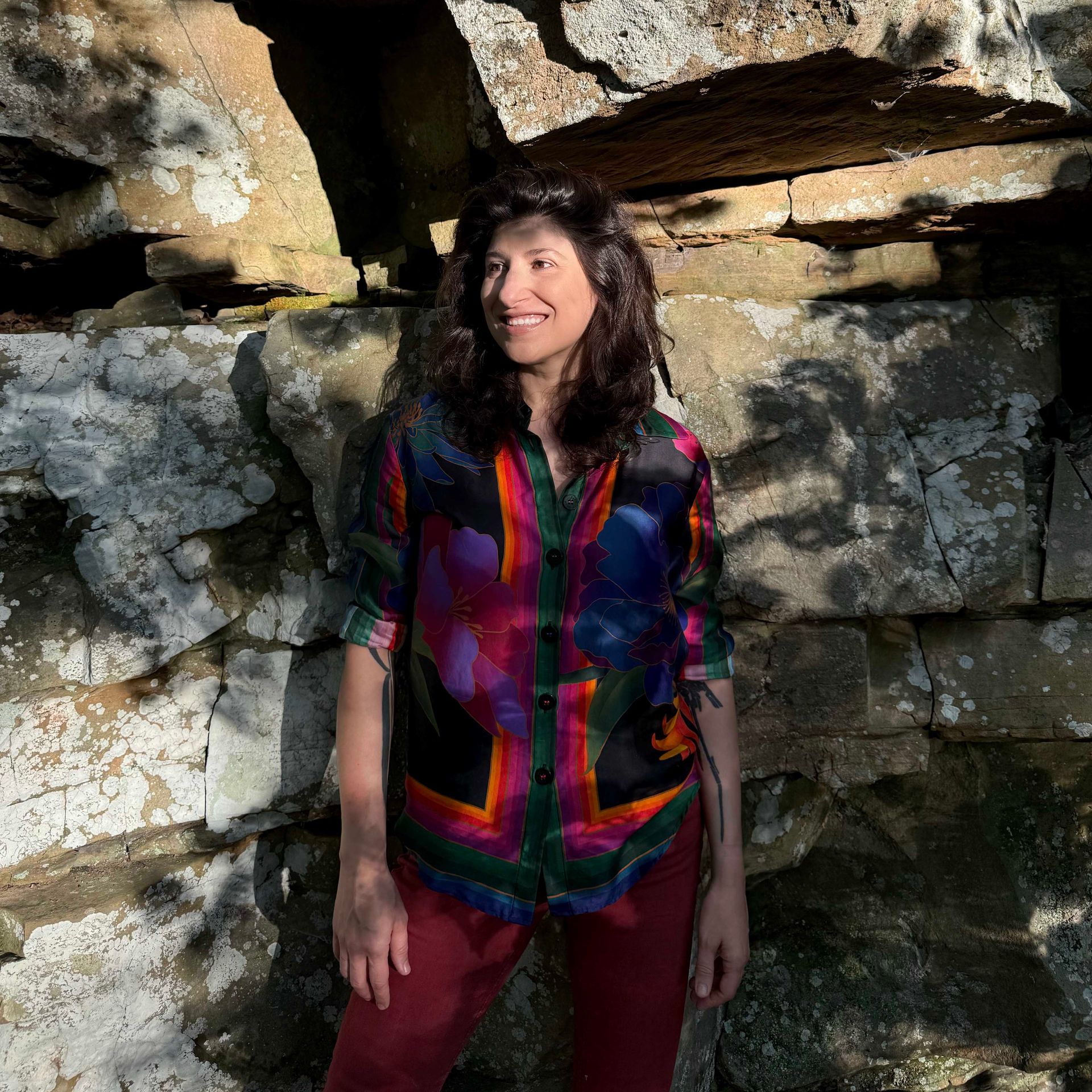
Shamanic practitioner in kingston and nearby areas
Hi, I’m Cristina Maria Fort Garcés,
LCAT, ATR-BC, CPC
A LatinX somatic psychotherapist and spiritual practitioner with nearly two decades of experience supporting people through burnout, trauma, grief, and identity shifts.
I grew up navigating multiple worlds, cultural, emotional, and spiritual, and I know firsthand the tension between what can be explained and what must be felt. That lived experience shapes how I work.
My approach blends nervous-system awareness, relational presence, creative expression, and spiritually informed practices rooted in respect rather than hierarchy. I don’t work from authority or mystique. I work from attunement, collaboration, and care for the unseen without bypassing the human.
This space exists for people who want depth without dogma, spirituality without performance, and healing that honors both the psyche and the soul.
How I approach shamanic healing in Kingston and nearby areas
This work is experiential, body-based, and guided by consent and pacing.
Each session begins by orienting to what’s present for you, emotionally, physically, and energetically. From there, we follow what’s ready to emerge rather than imposing a fixed method.
Depending on what feels supportive, our work may include:
- Guided inner journeys using imagery, sensation, and attention
- Energy-informed practices to help release stagnation or heaviness
- Ritual elements to mark transitions, grief, or integration
- Somatic tracking to keep the work grounded and regulated
- Space for symbols, dreams, ancestors, nature, and inner allies to arise organically
Insight is always paired with integration. We slow the work down enough that your nervous system can register change, so what happens in session can actually support your life outside of it.
This work can stand alone as spiritual integration or be woven into psychotherapy when clinically appropriate.
What topics can we explore in shamanic healing sessions?
- Grief, loss, and emotional integration
- Burnout and nervous-system exhaustion
- Life transitions and identity shifts
- Fragmentation, dissociation, or feeling disconnected from self
- Meaning-making, symbolism, and spiritual integration
Tips and resources for getting the most out of your shamanic healing
- Come with curiosity rather than expectation
- Allow the work to unfold slowly
- Notice what shows up in your body, dreams, or daily life between sessions
- Remember that integration matters more than intensity
Services:
TWO PORTALS, ONE PATH TO WHOLENESS
Powerful pathways grounded in ritual, transformative tools, and methodologies designed to meet you in your evolution.
Two ways to work with me:
Somatic Psychotherapy
This is licensed therapy to address mental health for women & queer adults who are physically located in New York State.
It may be the right place to begin when anxiety, burnout, harsh self-criticism, or longstanding survival strategies need clinical care.
Energy Coaching: The Remembering
This is coaching that is non-clinical and spiritually oriented coaching relationship for women & queer adults anywhere in the world.
It may fit when you are seeking direction, integration, self-trust, and support in trusting your knowing and living by it.
If both resonate, book a free 30-minute consultation and we will find your starting point together.
Once you book, you will get an email confirming our meeting. In our meeting we will explore your best path forward.
Frequently Asked Questions
Is this shamanism?
No. I don’t identify as a shaman, and this work does not claim cultural titles or closed lineages. It is shamanic-informed, meaning it draws inspiration from earth-based, ancestral, and ritual traditions while remaining ethical, trauma-informed, and grounded in the present.
What is the difference between a shaman and a reiki practitioner?
A shaman is a culturally specific role within particular traditions, while Reiki is a defined energy-healing system with its own lineage and structure. My work does not claim either title. It focuses on experiential, body-based integration rather than energy channeling.
How is shamanic healing different from energy healing or Reiki?
This work is less about channeling energy and more about experiential exploration, meaning-making, and integration. It is slower, collaborative, and paired with nervous-system awareness so insights can actually land in daily life.
Do I need to follow a specific spiritual belief to work with a shamanic practitioner?
No. This work is experiential, not dogmatic. Curiosity and openness matter more than belief systems.
Is this therapy or coaching?
This work is offered as coaching worldwide and can be integrated into psychotherapy for New York State clients when clinically appropriate.
Can shamanic practices help with emotional trauma or grief?
Yes, when paced carefully and held in a regulated container, this work can support deep emotional integration, grief processing, and meaning-making.
How many sessions are usually recommended for lasting results?
There’s no set number. Some people come for short-term support around a specific transition; others choose ongoing work. We decide together based on your needs, goals, and capacity.
Ready to Explore What’s Calling?
If something here stirred, you’re invited to reach out.
A free consultation is a spacious conversation to ask questions, name what you’re sensing, and see if this work feels aligned.